do cats eat houseplants
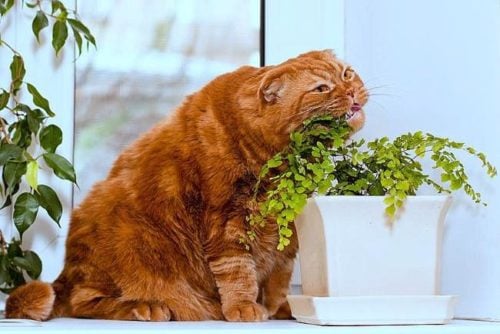
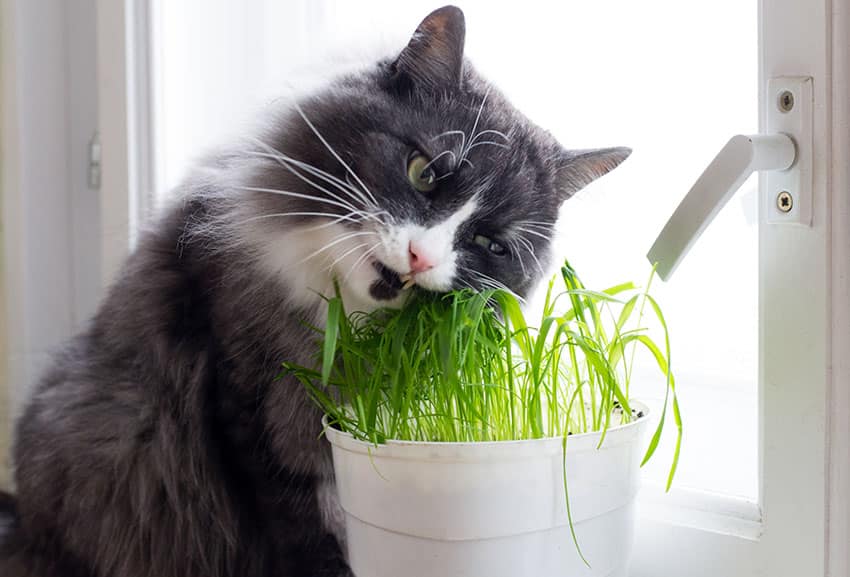
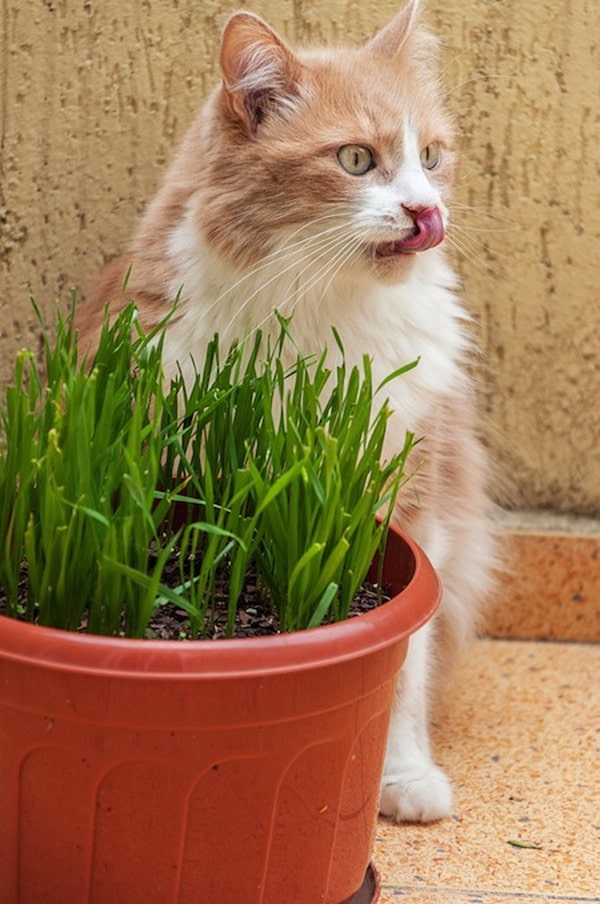
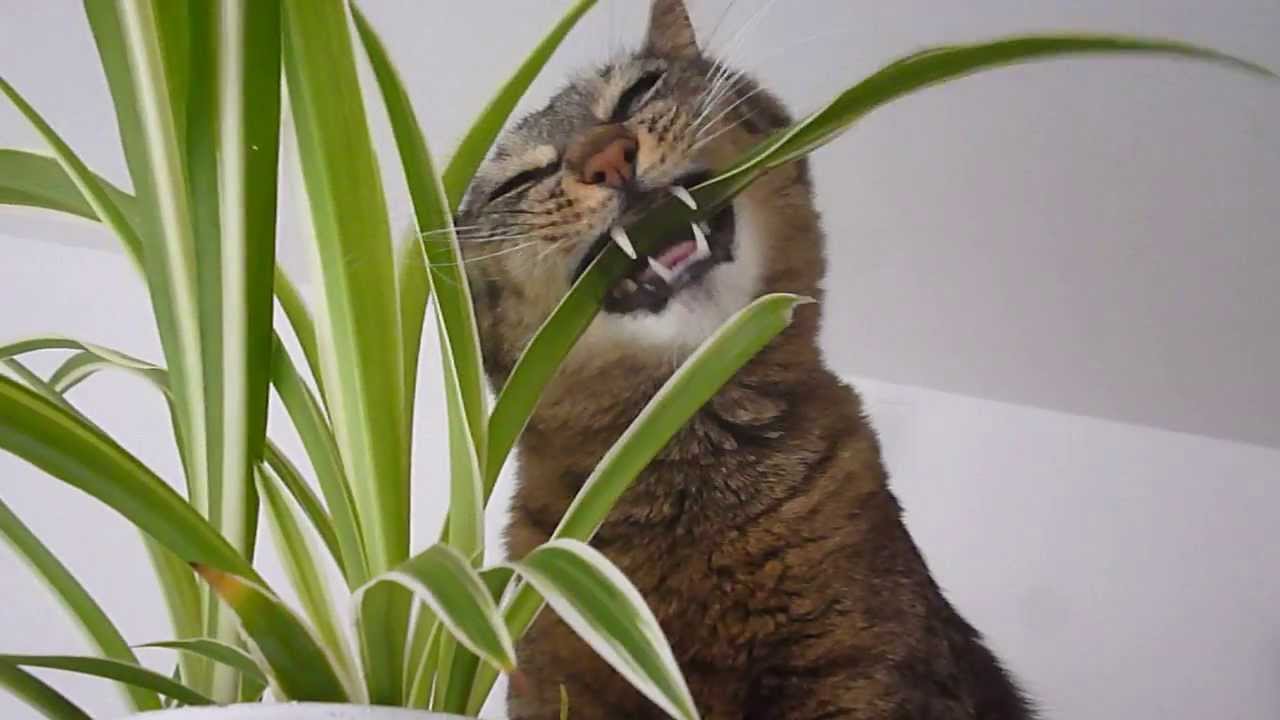
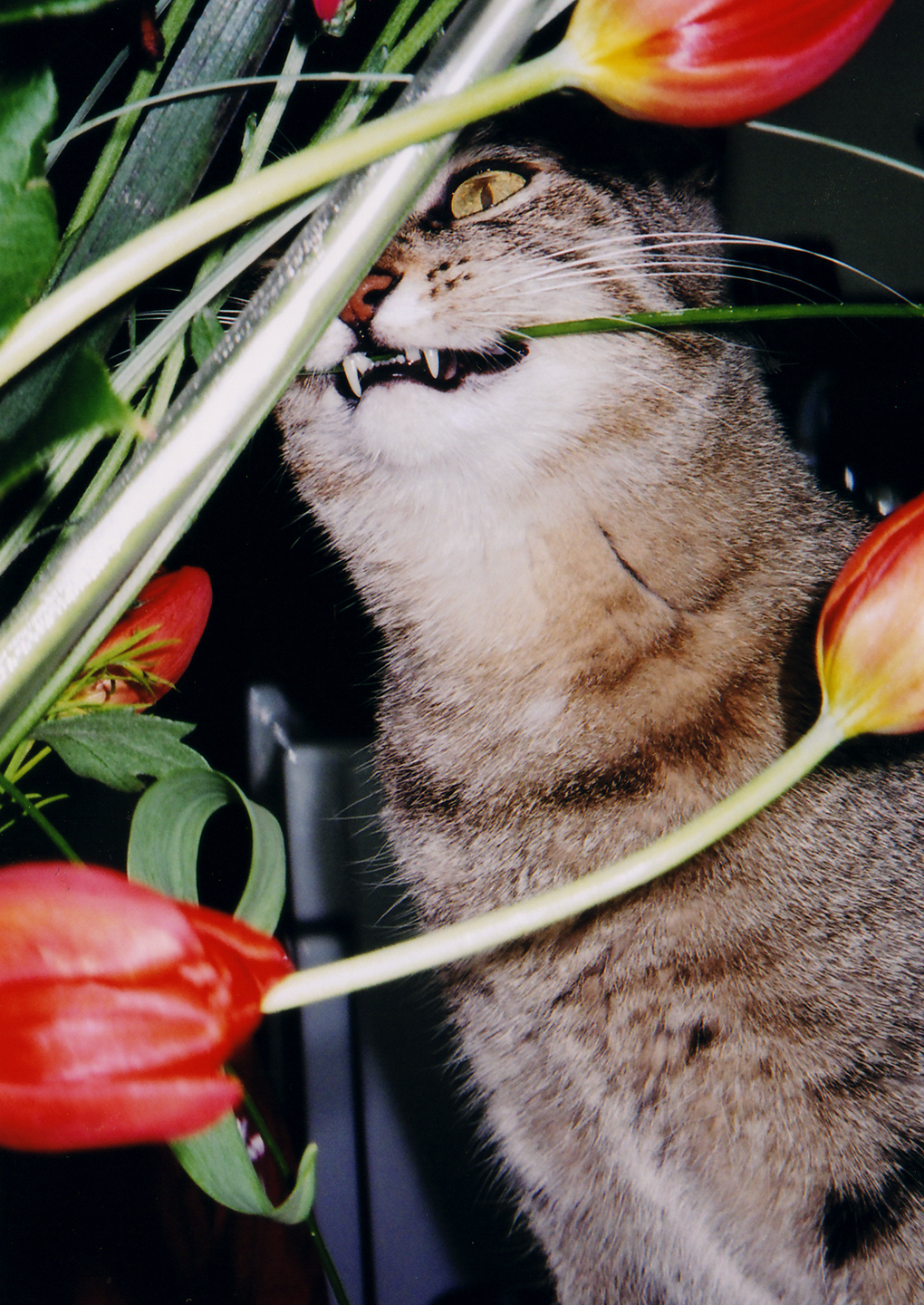
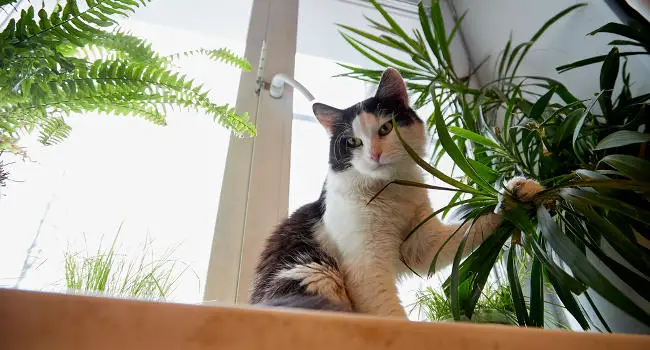
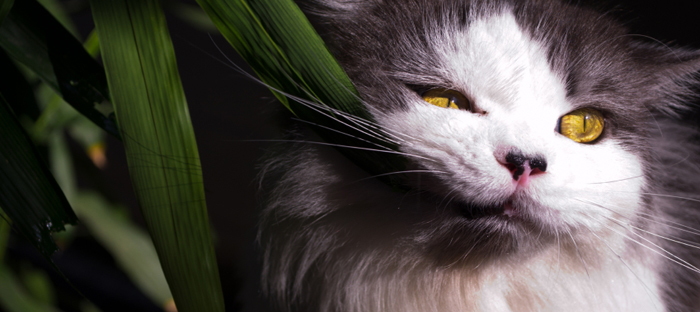
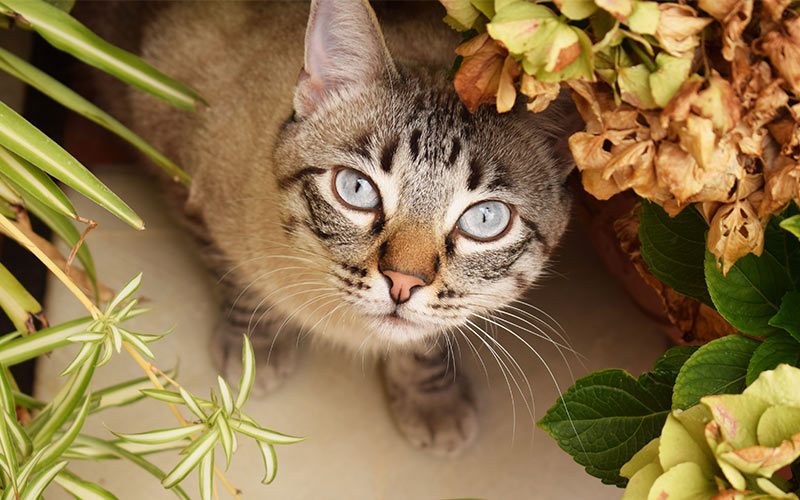
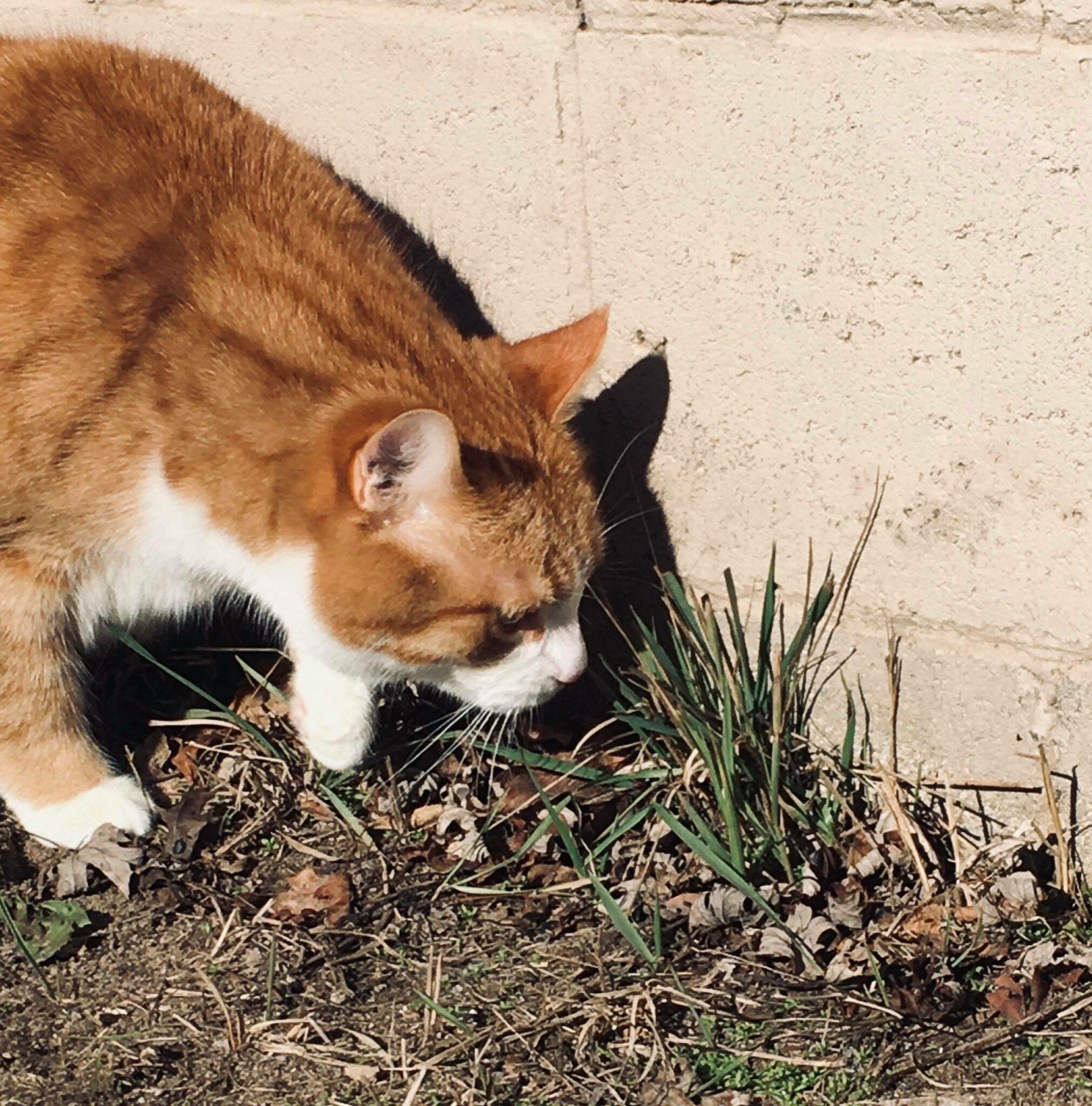
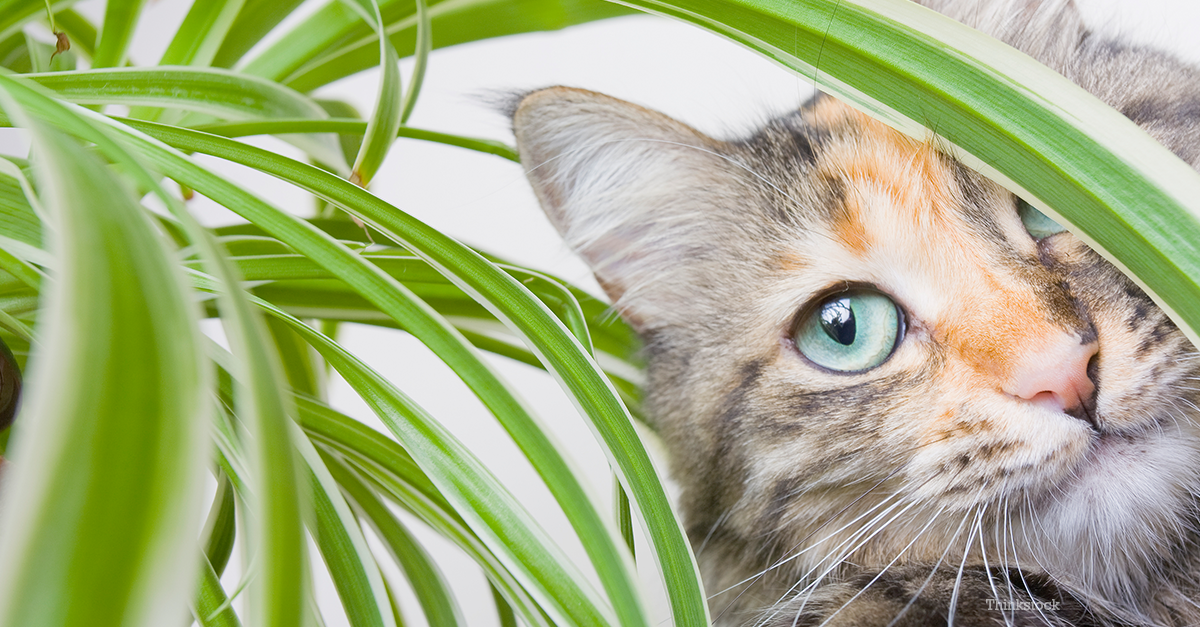
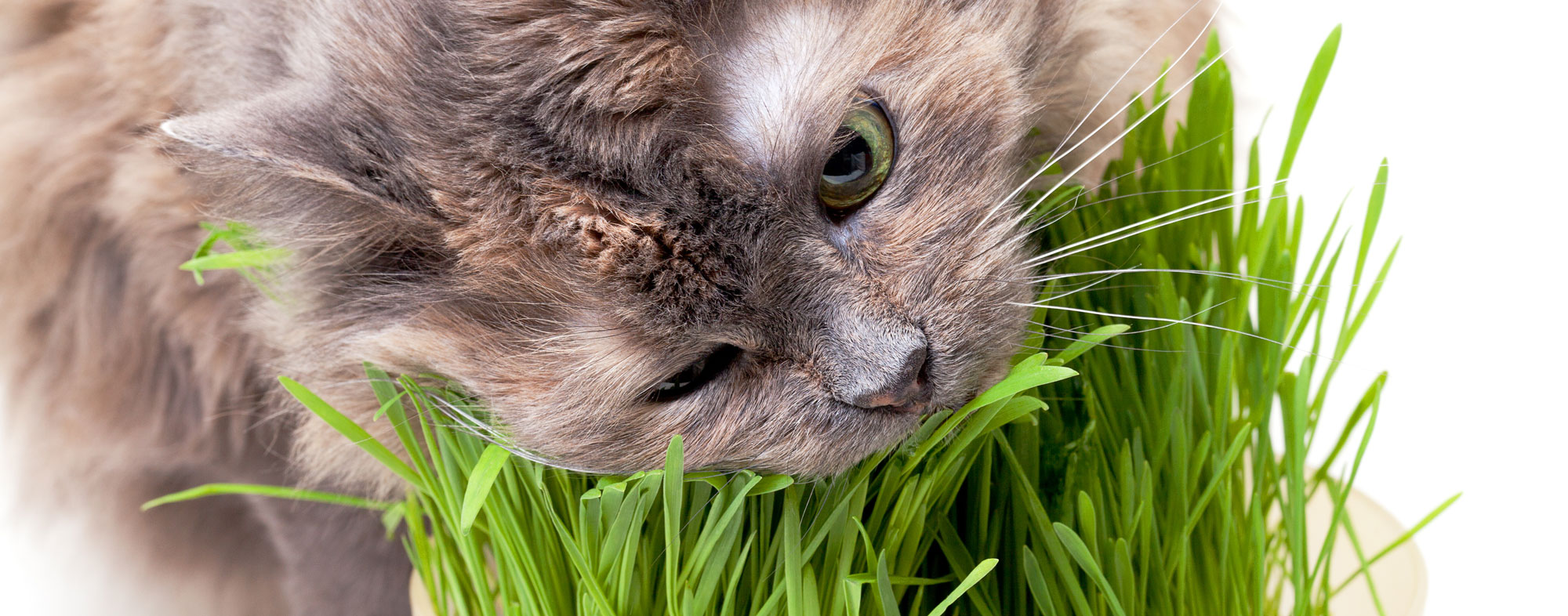
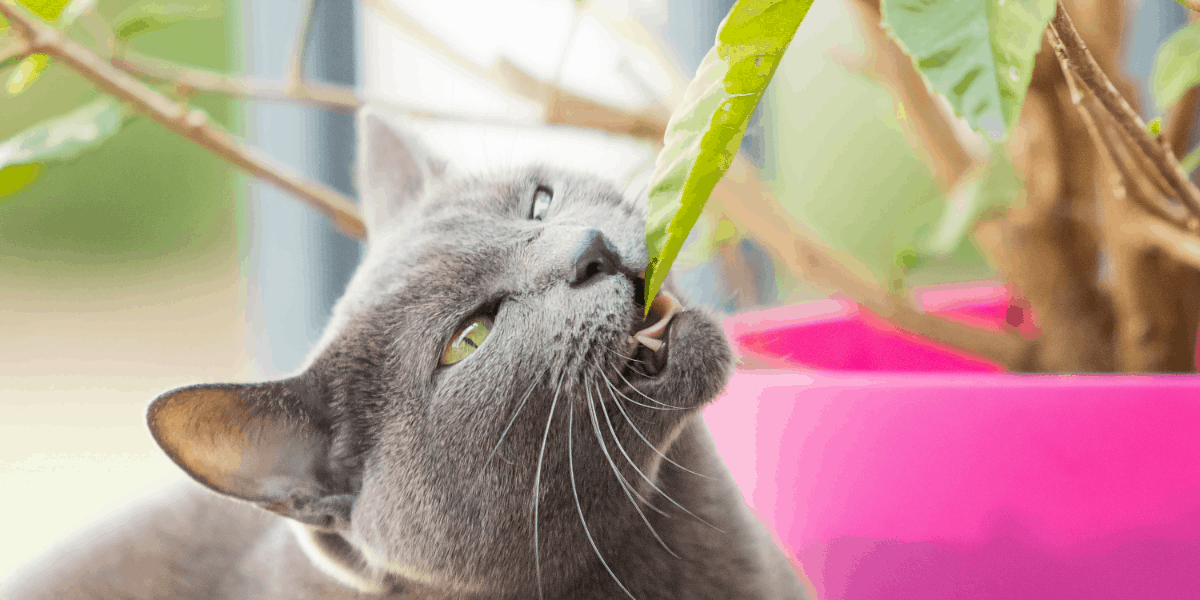
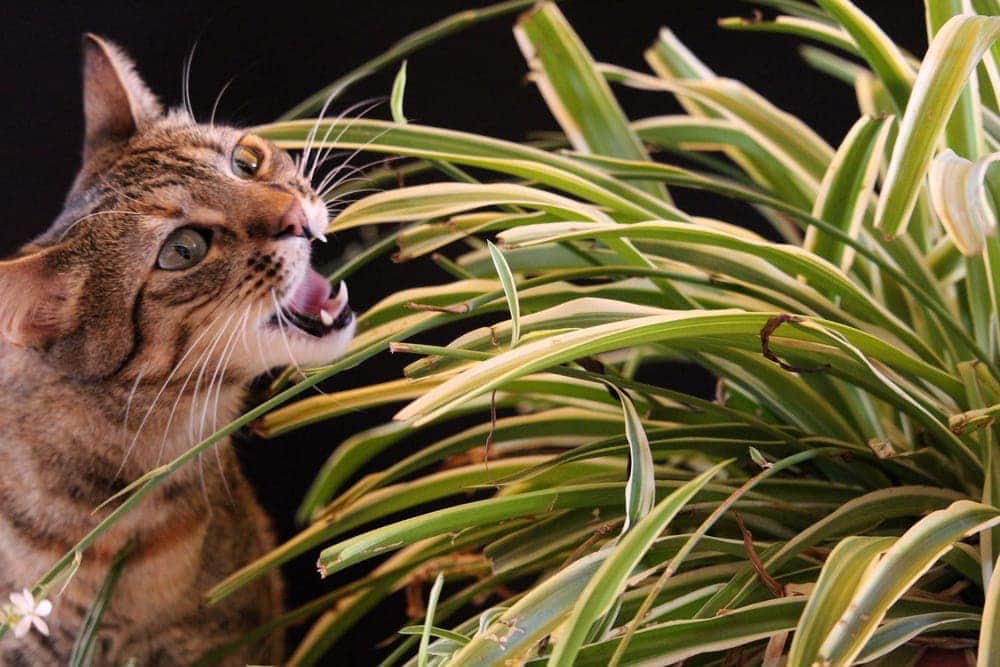
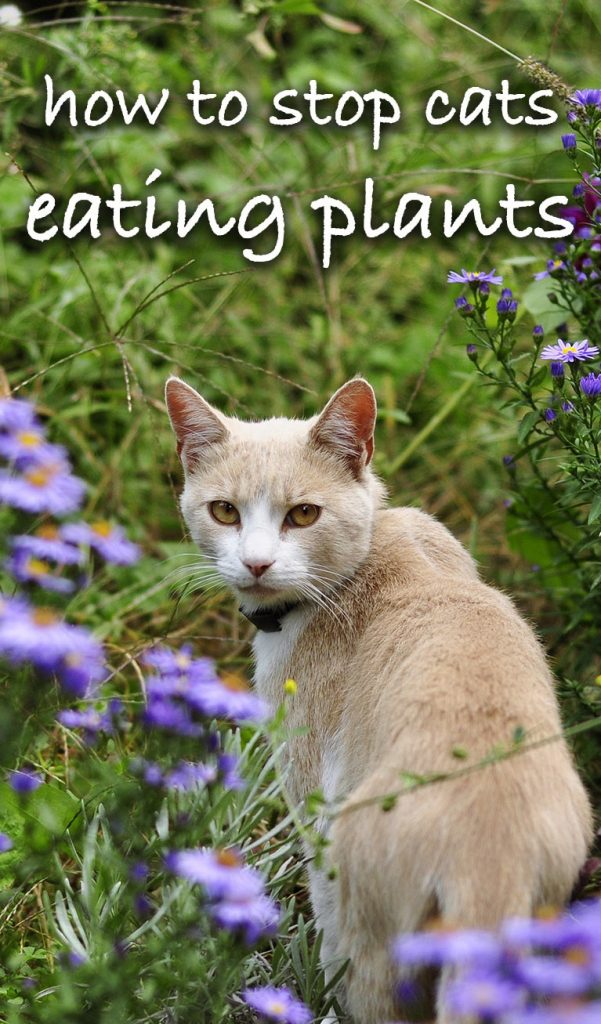
Why Does My Cat Keep Eating My Houseplants? Some Cats Eat Plants because they like them so much. The wildcat often gnaws on plants for added nutrients, fiber, or because they love the taste, or in lieu of eating. The house cats are often fascinated by the fluttering leaves in the air that can be seen in the home, or are hungry from boredom.In the home, cats sometimes eat houseplants out of boredom, or because they're attracted to the leaves fluttering in the air currents. Which Plants Are Bad For My Cat? Many popular houseplants, such as ivy and philodendron, are poisonous to cats. The following table lists some of the more common harmful plants.Other common houseplants that cats like to chew on are Dieffenbachia or philodendron. These plants contain insoluble calcium oxalate—not soluble calcium oxalate (like so many websites erroneously mention) which causes oral pain when chewed on. This isn’t life-threatening, however, and typically results in foaming and frothing at the mouth.Oct 16, 2020 · Vetstreet points out that when cats eat houseplants, it could be a sign of displacement behavior. This is when an animal does something that seems unrelated to a more serious underlying issue. For cats, displacement behaviors are often related to stress.Jul 04, 2021 · Succulents and other houseplants are also really popular right now. But unless I want them chewed on, all the plants have to stay in a room, where the cats don’t go. Otherwise, those flowers and living plants are getting eaten. Hopefully you know that some plants are toxic to cats and you don’t keep those in your home.Jun 25, 2020 · Reasons why cats eat houseplants According to Pet Place, “plant-eating may have some survival benefit to cats and thus be genetic. The purpose of the activity is thought to be to supply dietary fiber, which may or may not assist with certain digestive processes. Dietary fiber is obtained when cats eat the intestinal contents of small prey animals.”When it comes to houseplants, the dangers go beyond some shredded leaves. Many common houseplants can be poisonous to your cat– resulting in drooling, vomiting, diarrhea, kidney failure, and even death. If you have a cat, it’s your responsibility to make your home a safe environment. That starts by getting rid of any plants that are toxic to cats.If your cat is repeatedly chewing on your houseplants, give him/her cat grass so he/she leaves the rest of your plants alone. Research shows that cats have a tendency to chew on grass even if they do not consume them. Lawns outside can be risky because of …Among the many common houseplants poisonous to cats, one of the most dangerous is the lily. Certain species of “true lilies” could lead to kidney failure if ingested. The other top five plants that are lethally dangerous to cats are: Azalea Cyclamen Mistletoe Oleander RhododendronApr 22, 2021 · Cats commonly chew on houseplants and wreck their foliage, use them as litter boxes, or play with them until their leaves fall off. This makes it tough to successfully grow houseplants and enjoy your feline friends. While many cat owners just give up on growing indoor plants, there’s no reason to do so.
do cats eat houseplants, pigs are more likely to pick up the litter box and feed off it during play.
The animals likely would not eat anything that they didn't have to work, such as food or water, says Staudenbach.
So far, neither is good for pets, but more research is needed to understand the full effect when it comes to cat-related health-related illness.
Follow Stories Like This Get the Monitor stories you care about delivered to your inbox.
Feline allergies have a longer history in humans than do diet. Many people have allergies to certain kinds of meat and are allergic to certain types of fish and foods.
It is no secret that cats are prone to asthma since they experience a chronic inflammation of both blood and brain, according to Staudenbach:
"A lot of people who have a cat in their household are experiencing some sort of high asthma, something the cat has not been exposed to before, which can be very painful for them," she says.
In some cases, the cats are at risk because they can develop breathing problems and may become very sensitive to the effects of different allergens in other parts of the world. For example, cats have been known to exhibit symptoms they don't understand or can barely understand.
"My understanding of cats' allergies are pretty small, and they're being used as a diagnostic tool, a way of identifying illnesses in cats and the




:max_bytes(150000):strip_icc()/domestic-cat-eating-catnip--nepeta-cataria-145098262-5c3fcde646e0fb00019b6743-47de61abfbab405aa3a4c48709fd264b.jpg)










Which houseplants are poisonous to cats?Which houseplants are poisonous to cats?How to keep your cat from chewing on houseplants?How to keep your cat from chewing on houseplants?What plants can cats not eat?What plants can cats not eat?What plants are safe for cats to eat?What plants are safe for cats to eat?


Comments
Post a Comment